
Greater biodiversity through the restoration of wetland forests
Dübendorf, 12.05.2026 — Wetland forests are particularly valuable for biodiversity and help to mitigate the effects of climate change. However, many of these forests in Switzerland have been drained during the last few centuries. In a newly published guide, researchers from Eawag, WSL and the ETH, together with experts from the field, set out the positive effects of wetland forests and the measures required to restore them.
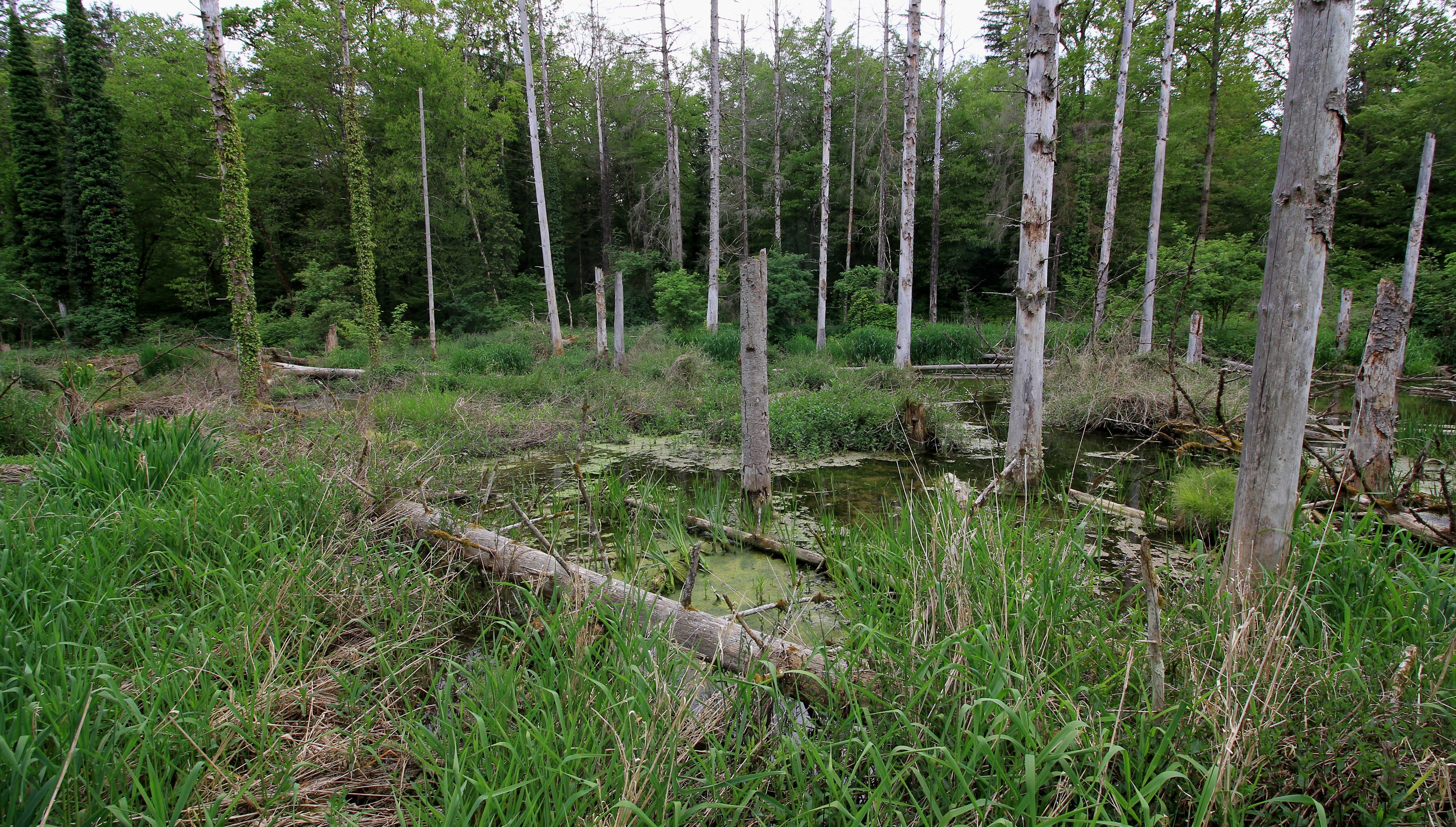
Over the past few centuries, humans have had a significant impact on natural environments. As a result, wetland forests - such as, floodplain, swamp and peatland forests - were systematically drained or cleared away to make way for forestry and agriculture. However, these forests provide unique habitats for a wide variety of living creatures. This diversity will be re-established as part of Switzerland’s biodiversity strategy: by preserving, enhancing and restoring precious habitats. Wetland forests play a central role in these efforts. “Wetland forests and their water bodies are often quickly discovered and adopted as habitats by amphibians, insects and other species,” explains Karen Bussmann-Charran, a researcher in the Department of Aquatic Ecology at the Aquatic Research Institute Eawag and a member of the Translational Centre Biodiversity Conservation, a joint initiative of Eawag, the Swiss Federal Institute for Forest, Snow and Landscape Research (WSL) and the ETH Zurich. Restoring these habitats also helps to promote sphagnum moss, for example, which can store large quantities of CO2. But many other living creatures benefit, too; for example, around 84% of all species in Switzerland can be found in floodplains: they are therefore particularly important for a large part of the country’s biodiversity.
But how can these forests be restored to their original state? To provide practitioners with guidance on projects aimed at restoring these wetland forests, the Translational Centra Biodiversity Conservation has set up a working group comprising experts from both research and practical sectors. The aim of this group was to identify open questions on the topic and answer them in the most user-friendly way possible.
Minor structural alterations are sufficient
In the resulting guide, the authors describe various possible approaches. As wetland forests were usually found along riverbanks, peatlands and former floodplain areas, simple structural measures, for example, can restore the water balance. Filling in drainage ditches, removing drainage pipes or re-naturalising streams and rivers are just a few of the options. However, project leaders can also enlist the help of a natural - and even cheaper - ally: the beaver. Wherever waterbodies are colonised by these industrious builders, moist and wet woodland habitats develop almost of their own accord, transforming the surrounding area into a biodiversity hotspot.
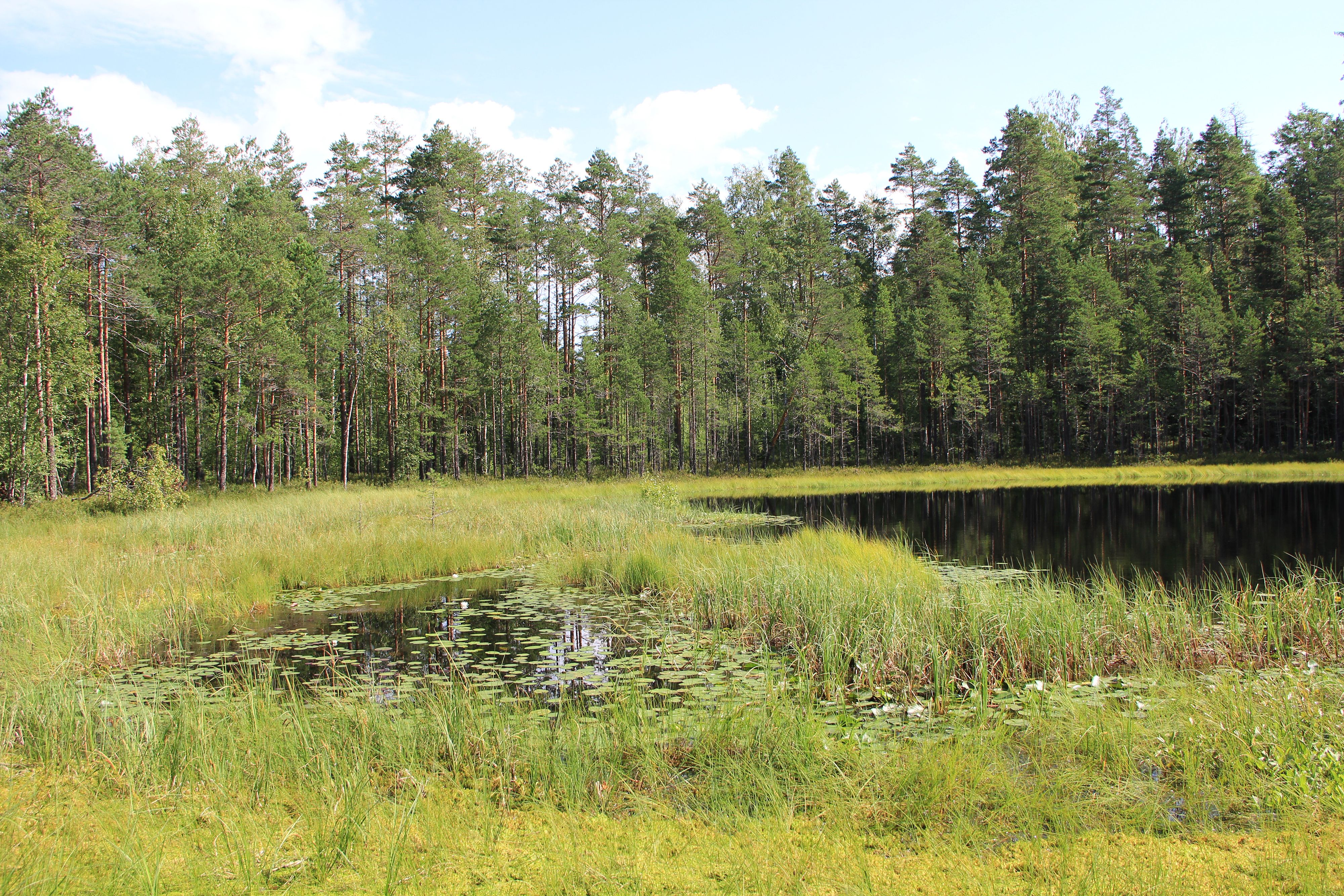
However, the restoration of former wetland forests is not only beneficial for biodiversity, but it also offers numerous advantages for both humans and wildlife in the context of the ongoing climate change. The groundwater level is raised, thereby enhancing the forests’ resilience to drought and dry spells. This helps to store water on the surrounding landscape and provides cool havens for many living creatures. “That includes humans, too,” says Bussmann-Charran. The lower ground temperature and the resulting cooling effect are not confined to the forest alone, but also affect neighbouring residential areas. Water retention also helps to protect against flooding.
Addressing concerns seriously
However, restoring these areas is not without its challenges. “From a methodological point of view, it can be challenging at times to identify all drainage ditches and render them permanently ineffective - our guide provides advice and links to resources that can make the planning and implementation process more efficient.” explains Bussmann-Charran. It also takes some persuasion to ally forest owners’ concerns, as a wetland forest can be less productive and more difficult to manage. Nevertheless, according to the aquatic ecologist: “Based on the experience of professionals in the field, the owners often feel proud and happy about the resulting beauty and the visible biodiversity, once the measures have been implemented.”
Guideline
The guideline “Promoting biodiversity through the restoration of wetland forests” is available in German and French. The contents range from a summary of the arguments in favour of restoring wetland forests, through methodological issues relating to the restoration of various types of wetland forests (e.g.: floodplain forests, peatland forest) and from natural allies such as the beaver to aspects of the legal framework and project planning. The guide is intended to assist professionals and forest owners in the design, planning and implementation of projects aimed at restoring wetland forests, thereby helping to promote biodiversity and other positive aspects of such habitats.
Guideline in German as PDF: https://www.dora.lib4ri.ch/eawag/item/eawag:34971
Guideline in French as PDF: https://www.dora.lib4ri.ch/eawag/item/eawag:36348
Press release and other photos: https://www.eawag.ch/en/info/portal/news/news-detail/greater-biodiversity-through-the-restoration-of-wetland-forests/
Direct contact researchers
Karen Bussmann-Charran karen.bussmann-charran@eawag.ch
Christoph Vorburger christoph.vorburger@eawag.ch